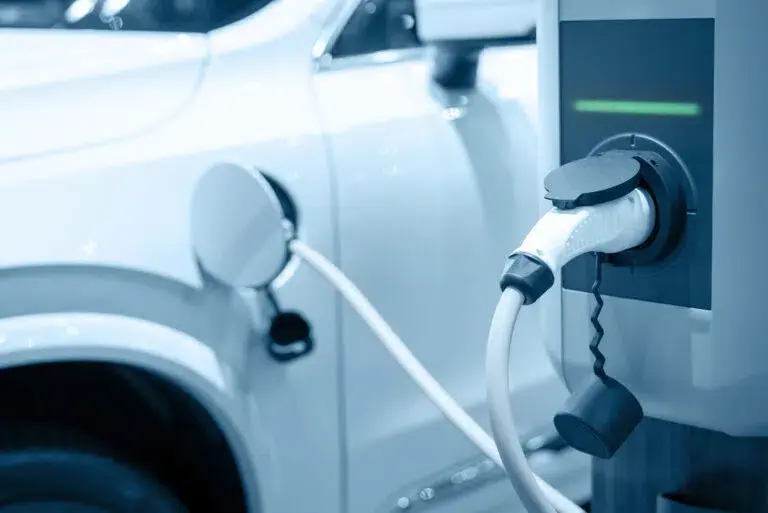
Electric vehicles (EVs) represent a huge opportunity for the future, with millions of vehicles hitting the road every year. Industry experts project the current growth in the market to continue as both the government and OEMs continue to emphasize EVs in their lineups.
The Wall Street Journal states,
“While still a sliver of the overall market, sales of plug-in vehicles more than doubled in the first half of 2021 compared with last year, when the pandemic sapped sales. That far outpaced the 29% rise for total vehicle sales…”
The surge in projections is tempered only slightly by safety and compliance concerns. One question, among many, involves whether EVs are worth the risk. Another involves the cost and logistics involved in maintaining and repairing an EV now and in the future.
What About EV Maintenance and Repair?
With ambitious forecasts for an all-electric future , the industry seems less concerned with how maintenance and repair could factor into those long-term projections. With fewer moving parts, repair shops will need new tools and training to support EVs, but it may also mean less vehicle maintenance .
It’s important to be thinking about your best practices around servicing EVs to ensure your dealership’s prepared to meet this growing trend.
What Are the Safety Concerns When Working on EVs?
The largest concerns around EVs tend to focus on the potential energy hazard of lithium-ion batteries. Manufacturers have worked to address safety questions with self-contained systems that prevent leakage or other compromises to the system. But, here are some of the most frequently discussed safety concerns:
Arc Flash
With an arc flash, you’re dealing an electrical system that is leaking energy and could lead to ionization of the air around the electrical system. It’s unpredictable, and can result in burns or death for any workers standing nearby.
Electric Shock
Depending on where the circuit flows, electric shock could be a potential safety concern for technicians who come into contact with energized components of the vehicle. Vehicles damaged in an accident increase the risk of shock, electrocution (fatal), explosion, fires, and/or chemical burns. .The Society of Automotive Engineers has recommended that manufacturers install battery kill switches to protect drivers and rescue personnel from risk. You’ll want to make sure your team knows where these switches are located in each vehicle and how to ensure the vehicle stays powered down while maintenance is performed.
Thermal Runaway
One hazard that’s rather abstract but nonetheless extremely dangerous is thermal runaway, which is when heat within the battery leads to an uncontrolled chemical reaction. The release of heat and energy leads to a breakdown in the battery (the battery consumes itself) and a chain reaction, which can lead to catastrophic failure of the equipment, potential explosion, and fire that leads to the complete destruction of the vehicle.
Electrical Infrastructure
Besides working with lithium-ion batteries, there are also electrical dangers lurking in EV charging stations , which will likely spur a need for safety inspections in the future. Electrical problems within the facility become a bigger risk because these charging ports are high voltage. Defects, age, or potential problems in the infrastructure could result in a fire or damage to other costly equipment. It’s essential that these components be properly installed and maintained.
What About Regulations and Best Practices?
As the EV market continues to grow, it’s becoming even more important to establish guidelines to mitigate potential hazards and make the vehicles as safe as possible.
Here are some sources to reference when developing your approach to servicing EVs:
- National Fire Protection Agency (NFPA) offers guidance on electrical fires to keep firefighters and first responders safe. They’re working with manufacturers to develop emergency response protocols, and are leading the charge on EV safety concerns. These best practices are a strong model to pull into your EV safety procedures as well. Check out their list of EV guides by manufacturer.
- OEMs have an infotech database, which includes service manuals, hosts, bulletins, and recalls.
- The Society of Automotive Engineers offers online guidance and will likely continue to expand on those recommendations as the industry continues to evolve.
While these resources offer the guidelines we need for safety protocols, the organizations are not regulatory agencies. Ultimately, it may come down to self-regulation procedures and protocols that are put in place to ensure that EVs are safe.
Next Step: Monitor How EV Safety and Compliance Evolves
While the future is bright for EVs, there are many unknowns. Right now, there often appear to be more questions than answers.
Regardless, more companies are developing EV fleets as an eco-friendly solution, with tie-ins to deliveries, mail service, air taxis, government fleet vehicles, ridesharing, and beyond. It’s a reimagining and reinvention of what we expect from transportation.
With more EVs on the road, service departments will need to develop strong best practices. As your safety and health partner, KPA is monitoring the safety and compliance issues related to EVs and their impact on dealerships and repair centers. We’ll be here to share best practices as they develop.