Emergency Planning and Storage Requirements
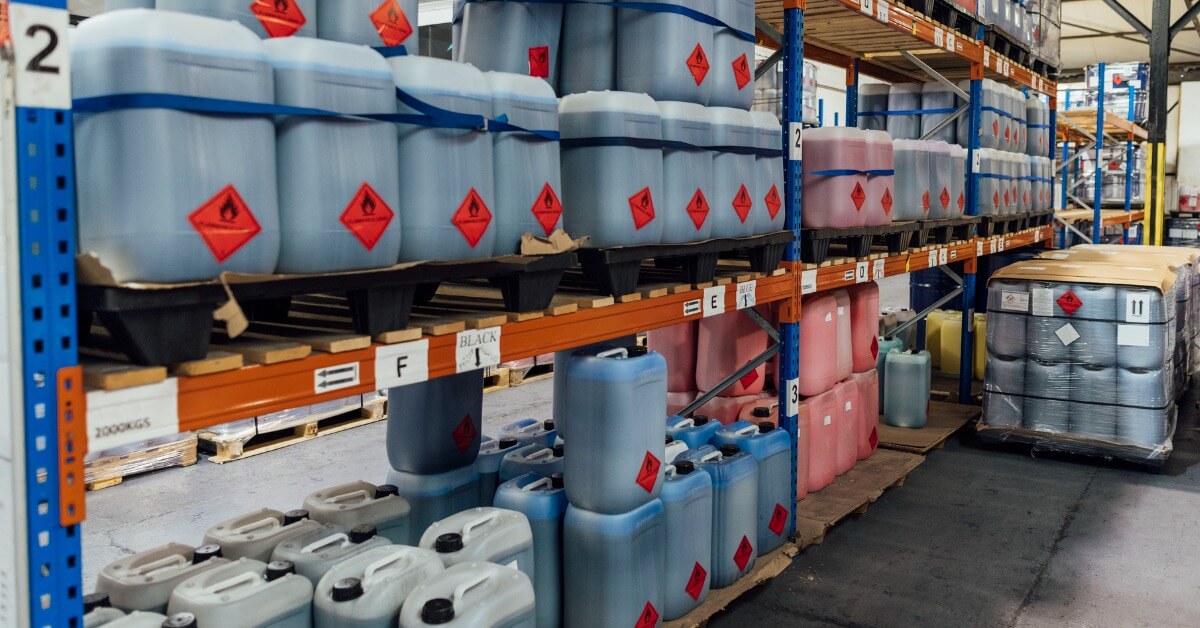
Your chemical inventory directly impacts your emergency preparedness. Different chemicals require different storage conditions and emergency response equipment. For instance:
- Some chemicals must be stored in specialized flammables cabinets
- Certain chemicals may require alternative fire suppression instead of standard ABC extinguishers
- Storage locations need to be properly chosen to prevent dangerous chemical interactions
Beyond Basic Compliance: A Comprehensive Approach
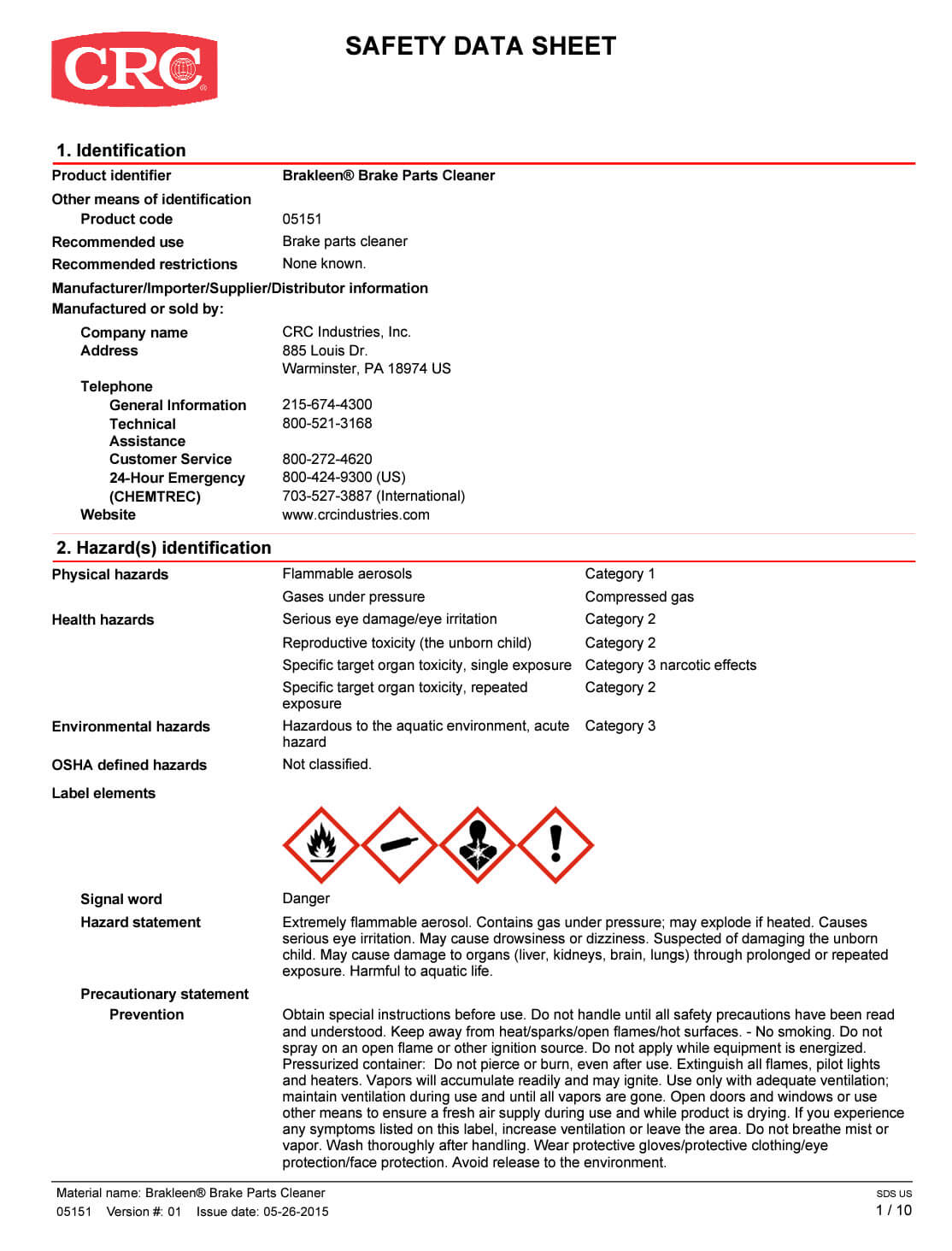
To build an effective chemical inventory program, you need to thoroughly review each SDS for:
- Hazards of the chemical
- First aid procedures
- Specific PPE requirements
- Ventilation needs
- Appropriate firefighting measures
This information should then feed into your written safety programs, emergency action plans, and training requirements. It’s an ongoing process that requires regular updates and assessments as new products enter your facility or better alternatives become available.
Building a Safer Workplace
A well-managed chemical inventory program does more than just meet regulatory requirements – it helps create a safer workplace while potentially reducing costs through smart product selection and streamlined PPE programs. The key is to treat your chemical inventory as an active safety management tool rather than just a documentation requirement.
Remember: your chemical inventory program isn’t static. As you add new products or find better alternatives, your programs and policies should evolve to reflect these changes. This dynamic approach helps ensure your employees stay safe while keeping your dealership compliant.
Complete Dealership Compliance from KPA