

In the post, “ Tips to Reduce Fire and Storage Hazards in Your Dealership ,” we identified the steps a dealership can take to reduce the risks associated with electric vehicle (EV) fires and battery storage. Some of those solutions may not be feasible for every electric vehicle and every dealership. That means you need a way to determine which batteries pose more risk than others so that you can classify them as critical risk, high risk, or average risk.
Assessing high-voltage lithium-ion EV batteries isn’t the easiest task, but we’ll break it down for you. Let’s start first with understanding how EV batteries are constructed.
EV Battery Components
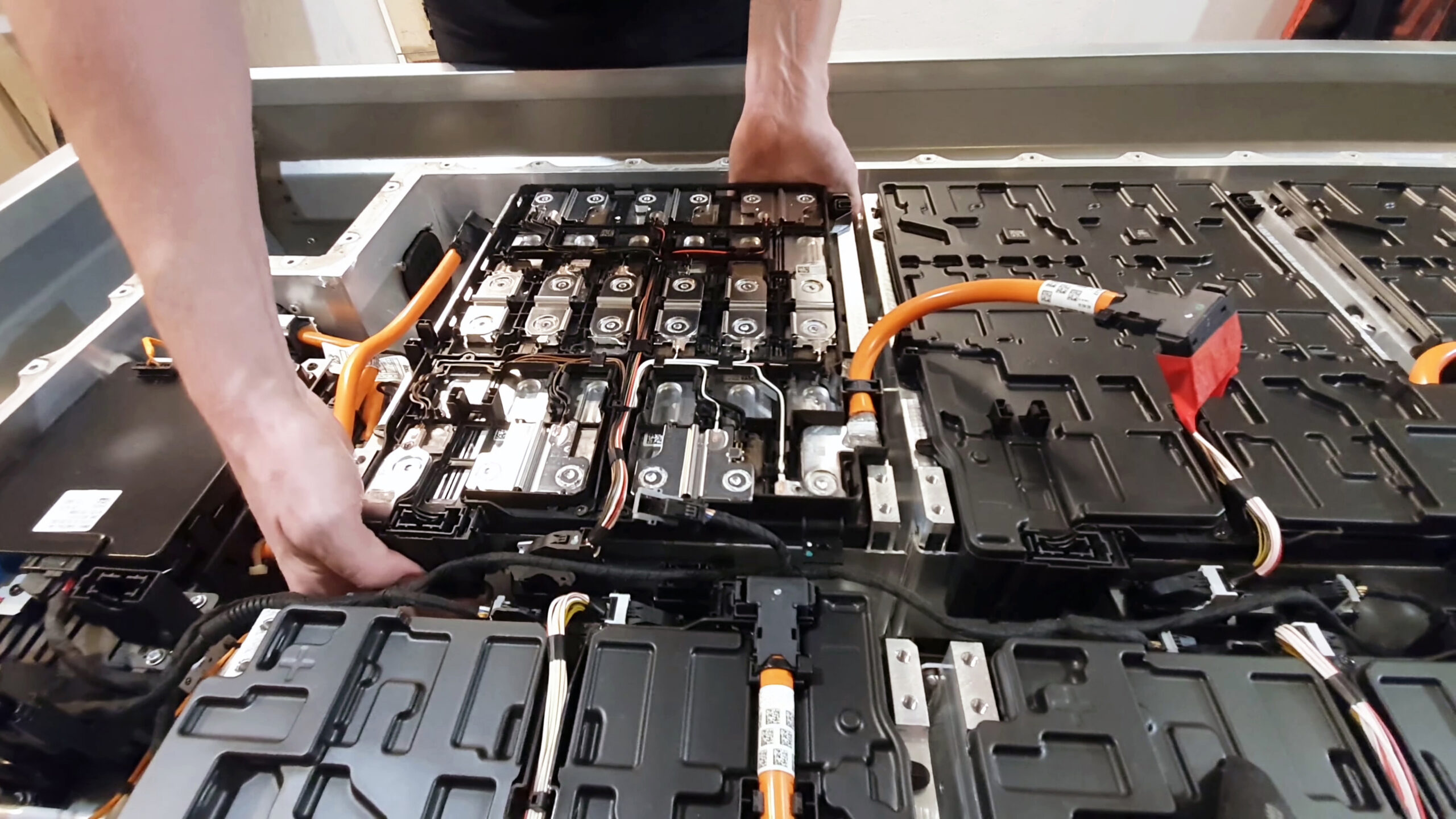
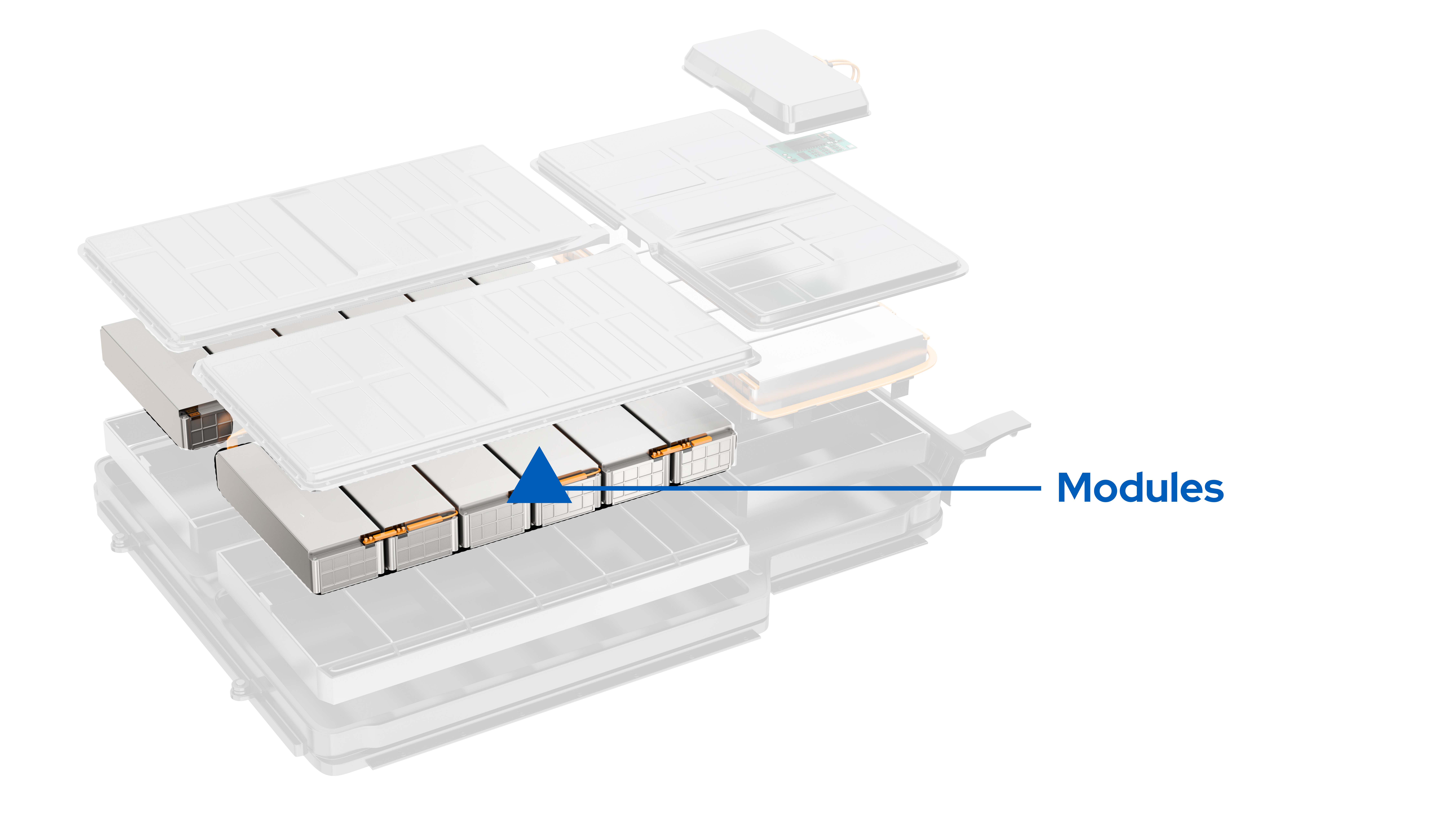
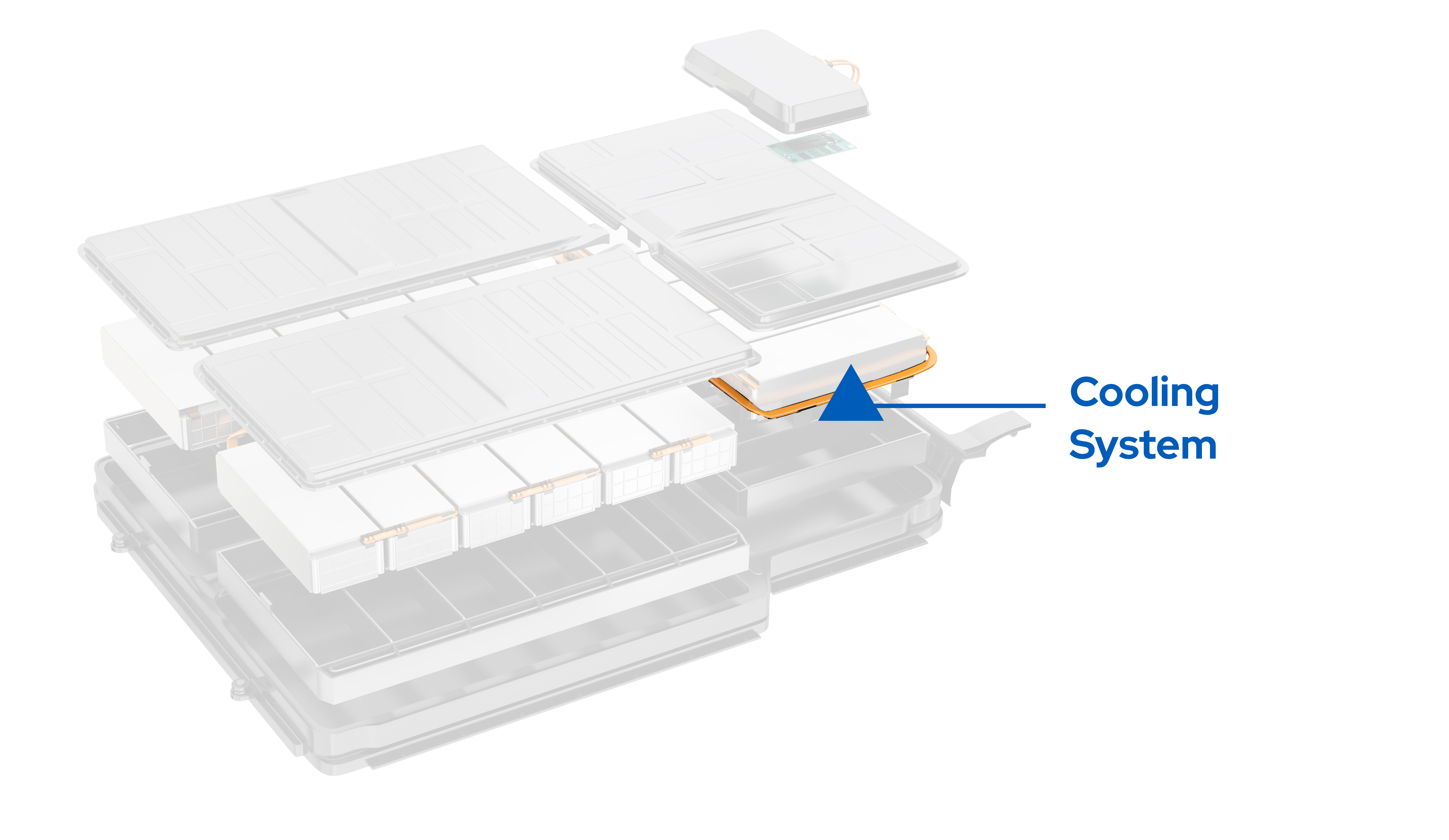
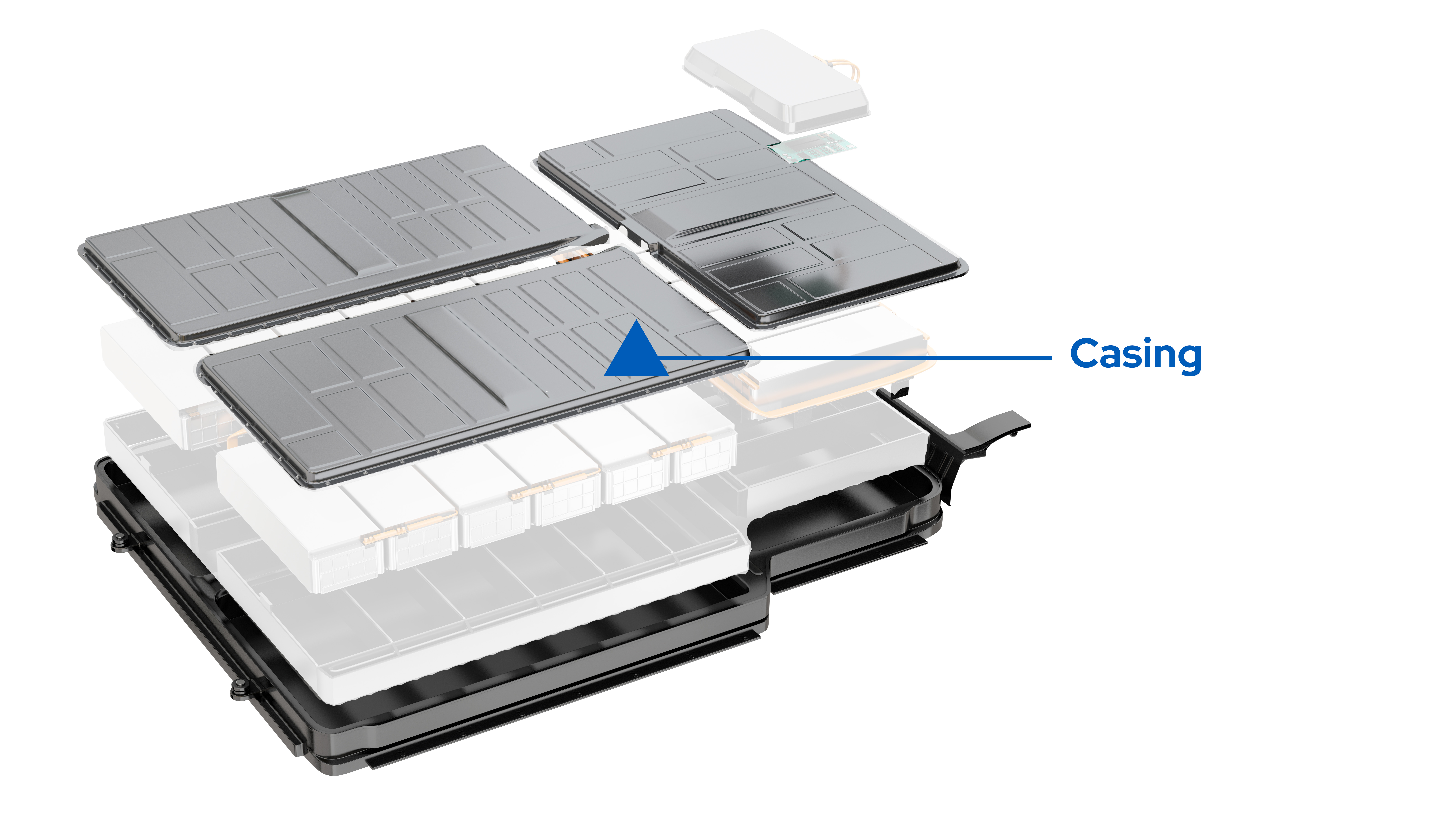
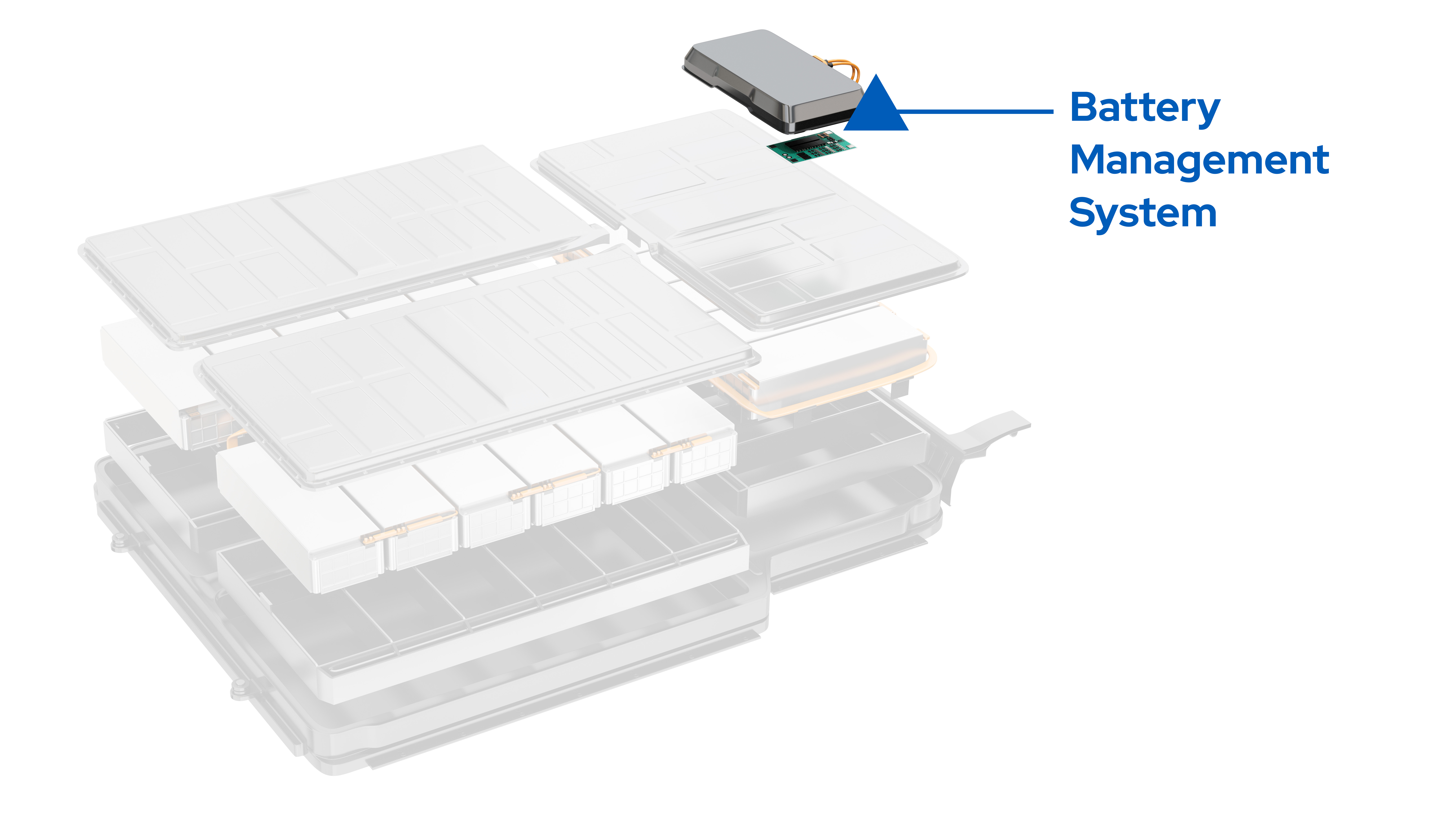
For the purposes of this discussion, the most important parts of the battery are the cells, modules, cooling system, casing, and battery management system.