Building a Culture of Reporting
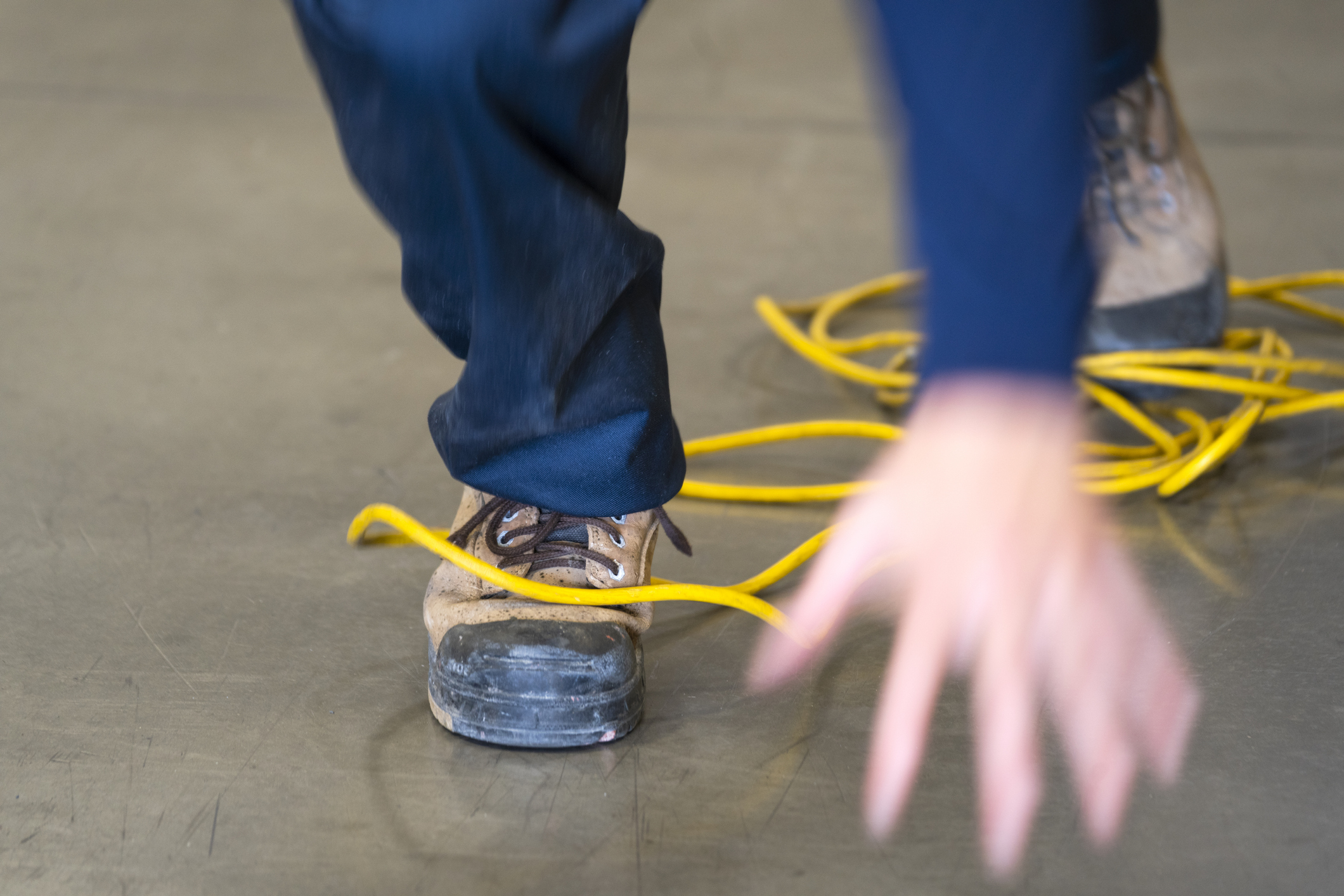
The first hurdle in accident and injury tracking is getting employees to report incidents in the first place. This includes not just major accidents, but also near-misses and minor incidents that could signal bigger problems. When an employee says, “I pinched my finger, we should look at this equipment,” they’re not just reporting an injury—they’re helping prevent the next person from experiencing the same thing.
Creating an environment where employees feel comfortable reporting incidents starts with proper training. Emergency action planning and safety training should explicitly cover reporting requirements and emphasize the importance of speaking up about safety concerns. Remember: if employees don’t know they need to report incidents, they won’t do it. If a back injury were to happen, wouldn’t you rather the employee report it immediately so care can be given instead of the employee reporting that their personal doctor has restricted them from working due to a back injury sustained at work from weeks ago?
The Hidden Costs of Poor Tracking
Many organizations don’t realize the financial impact of inadequate accident and injury tracking until it’s too late. Consider this scenario: your organization experiences ten back injuries in one year. Without proper tracking and analysis, you might miss the pattern until your workers’ compensation rates skyrocket.
Effective tracking helps you:
- Identify recurring injuries
- Conduct thorough root cause analysis
- Support your relationship with workers’ comp carriers
- Prevent similar incidents from happening again
Insurance carriers don’t want to see the same claims repeatedly, especially with the same root cause. Good tracking and analysis can help you break the cycle of recurring incidents.
Compliance Requirements
For dealerships, accident and injury tracking isn’t just good practice—it’s a legal requirement. You must maintain OSHA 300 logs to track workplace injuries, and you may need to provide this data to the Bureau of Labor Statistics upon request. For larger operations with more than 250 employees, additional reporting requirements apply.
These obligations exist to ensure workplace safety and gather important statistical data about industry-wide safety trends. Meeting these requirements while maintaining useful internal tracking can be challenging without the right tools.
The Problem with Manual Tracking
Many dealerships still rely on Excel spreadsheets or paper records to track incidents. While this might seem cost-effective, manual tracking creates several challenges:
- Difficulty identifying trends across multiple incidents
- Time-consuming data entry and management
- Limited analysis capabilities
- Increased risk of missing important patterns
- Challenges in generating required reports
The Power of Software Solutions